



It is not easy to explain to those who are not very familiar with Brazil what the Clube de Regatas do Flamengo, or simply Flamengo, is and what it represents in the world football scene. This historic Brazilian club, which is just one point away from mathematically securing the national championship (a draw against Ceará next Thursday will be enough), will tonight play the Copa Libertadores final in Lima against fellow Brazilians Palmeiras.
Starting from the numbers, the Mengão, as its supporters call it, is indisputably “o time mais querido do Brasil”, the team with the largest number of fans in the South American country. Although based in Rio de Janeiro (home also to other giants of Brazilian football such as Fluminense, Vasco da Gama and Botafogo), the rubro-negro club, which plays its home games at the legendary Maracanã, boasts supporters across the entire national territory. It is not uncommon to see people in the Amazon (far from the Cidade maravilhosa) sailing the Amazon River with boats displaying Flamengo flags or symbols.
In some ways, this is similar to what happens in Italy with Juventus or in England with Manchester United, with the difference that Brazil is the most populous among the advanced football nations. This effectively makes Flamengo the club with the largest number of domestic fans in the world. An important fact in itself, which also has significant economic consequences, as domestic supporters are those who largely contribute to matchday revenue and stadium merchandising.
However, limiting Flamengo’s importance in Brazil to just these numbers would be reductive. The Rio-based club has also played a significant role in the broader history of the country. During the central decades of the 20th century, it was one of the pioneer clubs in fully integrating Black players into Brazilian football. Even today, Flamengo’s torcida proudly waves banners featuring the urubu, a black bird typical of the country, which is not only one of the club’s mascots but was originally used by fans of other clubs to mock Flamengo supporters.
Not least, the club has secured a place in world music history, as legendary songs such as “País Tropical” and “Fio Maravilha” by Jorge Ben Jor explicitly reference or allude to Flamengo and its players.
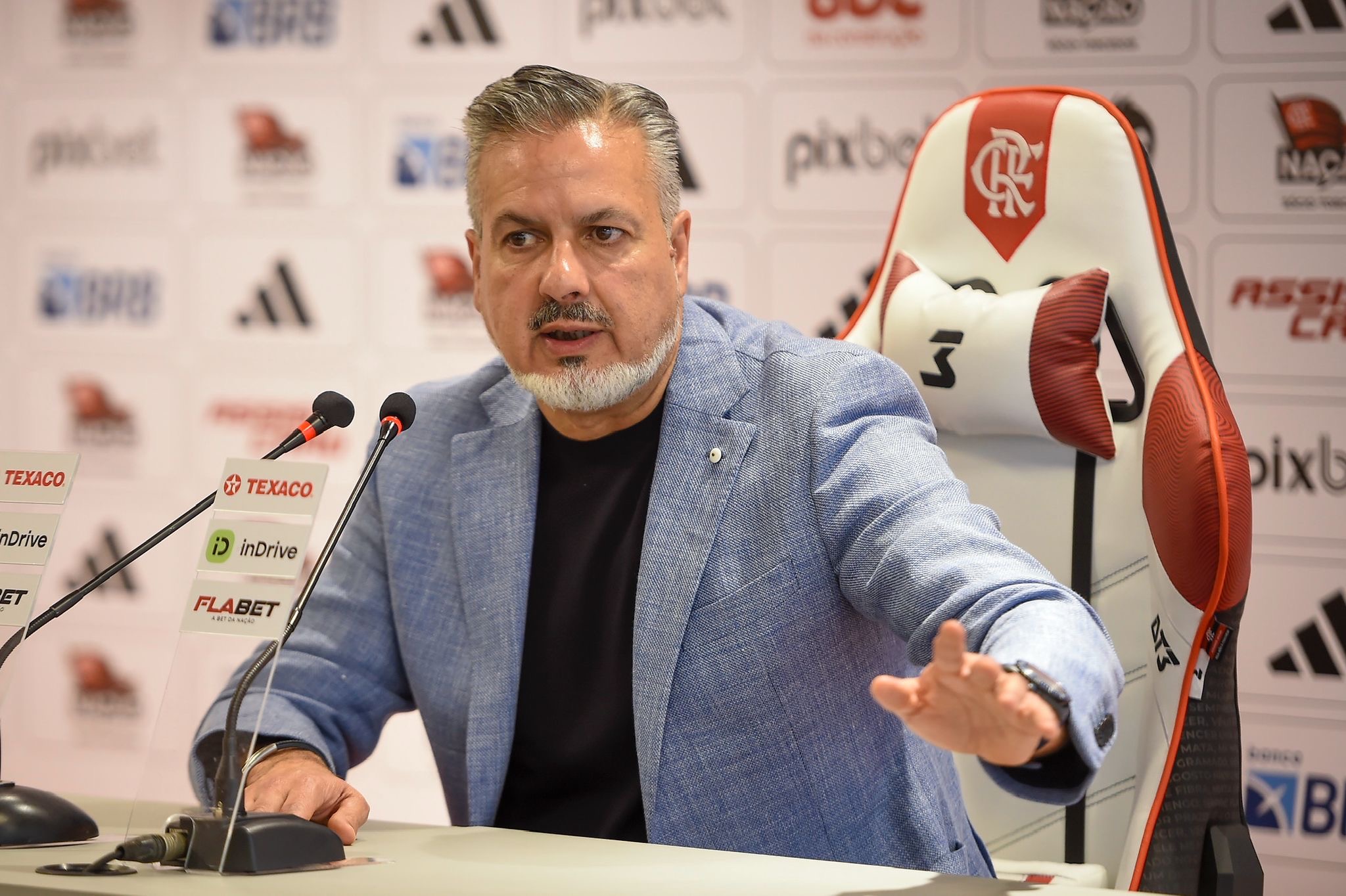
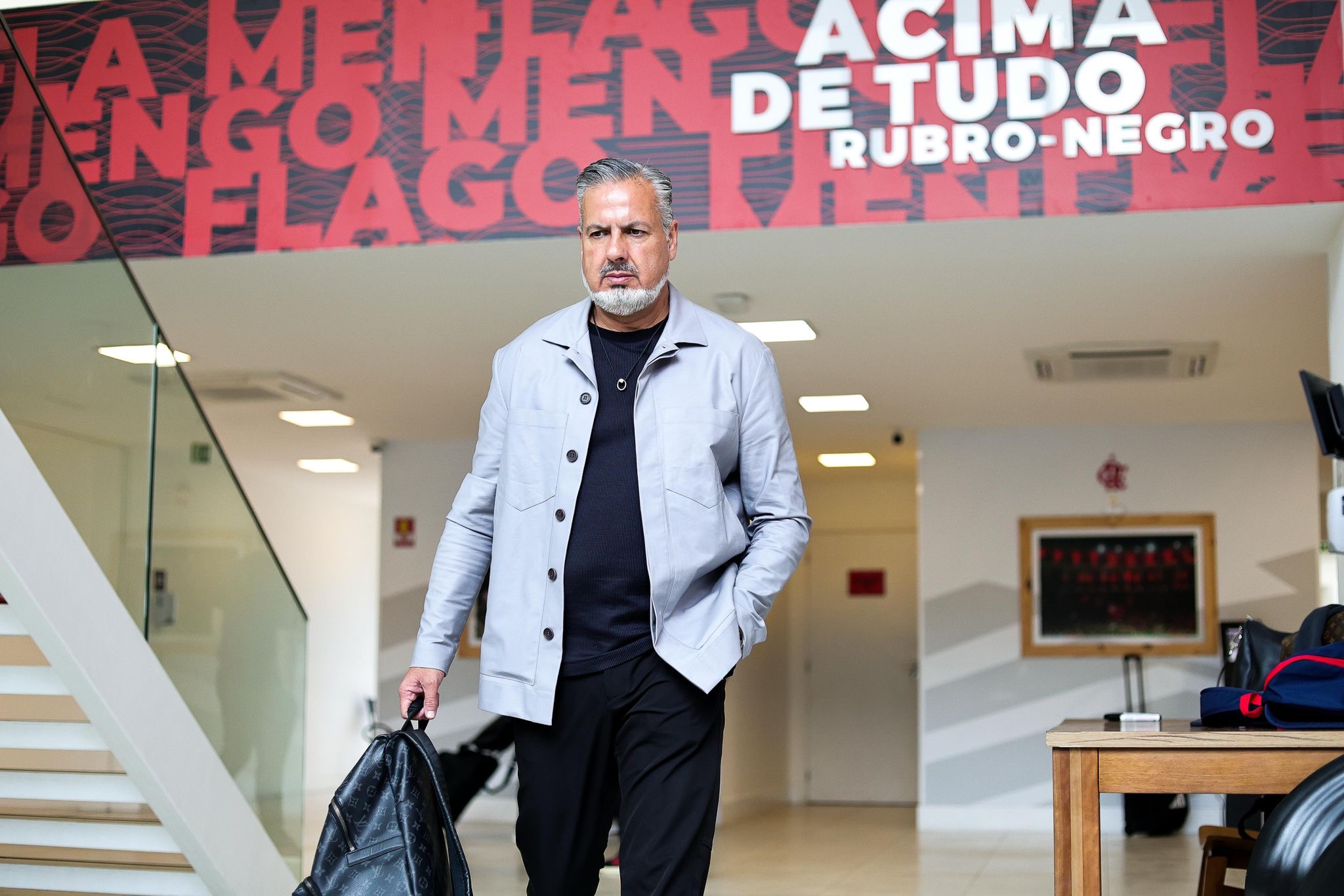
Against this backdrop, and on the eve of an extremely important Libertadores final, Calcio e Finanza is honored to interview José Boto, the Portuguese executive who after a long experience at Benfica and Shaktar Donetsk has been Flamengo’s sporting director since December 2024. A role that, beyond sporting decisions, also carries major economic implications, as player trading is one of the cornerstones of the rubro-negro’s financial model.
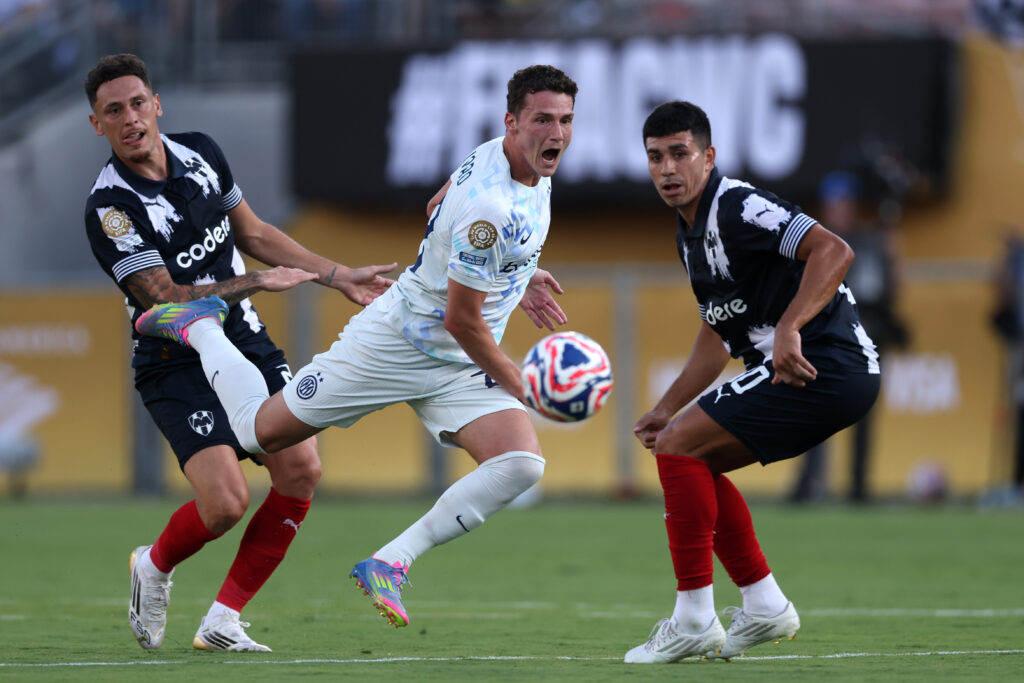
Mondiale per Club, la classifica dei fatturati: i ricavi squadra per squadra
No other club is like Flamengo
Question. Flamengo is the club with the largest fan base in Brazil — a pressure comparable to Manchester United in England or Juventus in Italy. How do you manage such a huge responsibility?
Answer. «After one year, I can say that nothing truly prepares you for what Flamengo represents. I spent 12 years at Benfica, which has 6 million fans in Portugal — about 60% of the entire population — but it’s not comparable. You may have experience in other clubs, in other countries, in other football cultures, but Flamengo is on a completely different level. You immediately realize how deeply people are involved: it’s not just support, it’s a profound emotional attachment. You see it in their reactions, in how they live every event related to the club: I have seen fans cry just because they received an award from the club. It’s something you can only understand by living this reality every day».
Do you have a concrete example of what it means to “live” Flamengo?
A. «I think one episode illustrates it well. We played a cup match in São Luís do Maranhão, in northern Brazil. We arrived at 1 a.m. expecting a calm situation, but the whole city seemed to be out on the streets. When we got near the hotel, the bus could not even move because there were so many people, and we were stuck for about 45 minutes. It was simply impossible to advance. And this was for a normal cup match, not a final. It’s a type of welcome and passion I have never seen anywhere else. Flamengo is not just Rio de Janeiro — it’s all of Brazil».
Does this passion also turn into pressure, especially after defeats?
A. «Naturally. When you win, there is extraordinary enthusiasm, but when a defeat comes, the pressure is very strong. It’s completely different from other experiences I have had».
Now comes the most important moment: the Libertadores final and the final sprint in the Brasileirão.
A. «The schedule is extremely intense. We have played many matches in close succession, and after Atlético Mineiro we immediately left for Peru for the Libertadores final. It’s a sequence that gives you no breathing room».
In Europe, people talk about too many matches. But your calendar seems particularly complex as well…
A. «We have already exceeded 65 matches this season. And to the numbers, you must add the travel, which is very heavy: long trips, altitude, complicated destinations like Recife or Quito. All this makes the season even more demanding physically. There is nothing comparable in Europe».
The chase for the double between the league and the Libertadores
If Flamengo fans had to choose between the Libertadores and the Brasileirão, what would they pick? And what about the club?
A. «Fans want to win everything. It’s part of Flamengo’s mentality. But if a poll were conducted, I think they would choose the Libertadores. It has enormous value for them: it would be the fourth title, a milestone no Brazilian club has achieved. I believe the Libertadores is more important for South American fans than the Champions League is for European fans. And for us as a club, it is very important as well».
Winning this Libertadores would be Flamengo’s fourth (1981, 2019, 2022), and the third in just a few years. What has changed at the club in recent seasons, especially after the problems it faced?
A. «I arrived in December, but I know the club’s history. Flamengo faced very serious financial problems in the early 2000s. Then a very serious plan was implemented to resolve them, with a group of people with financial expertise who took over the club and started managing it like a company. This allowed Flamengo to become financially healthy and competitive even compared with many European clubs. In recent years, a management model clearly inspired by Europe has been introduced — less emotional than the classic South American approach».
Commercially, Flamengo also has strong numbers. I imagine this also affects competitiveness on the pitch.
A. «The Flamengo name has enormous global strength, and the club has built a consistent sporting strategy by bringing in players with high visibility. This combination has made the club very attractive to sponsors, as shown by the Betano kit deal (reportedly around €50 million per year, more than Juventus, Inter, and Milan, but also big European clubs like Tottenham and Atletico Madrid). And this has also impacted competitiveness: when I was at Benfica, we brought many players from Brazil because salaries were very low. Now, as the entire Brazilian football movement grows, many clubs have budgets to pay salaries comparable to second-tier European teams».
In this regard, was signing players who have played for major European clubs a strategy?
A. «It was a deliberate choice. The idea was to introduce mentality, professionalism, and work standards to raise the daily level, including training culture. This also helps young players grow with strong examples».
Is Brazilian football closing the tactical gap with Europe?
A. «I believe so. You can see it with the foreign coaches who arrived in recent years, bringing new ideas, and with the emergence of a new generation of Brazilian managers more open to this approach. The talent has always been there — now it is paired with a more modern tactical dimension. I think this new generation of coaches will close the gap».
Could a coach of De Zerbi’s level — whom you had at Shakhtar Donetsk — work in Brazil?
A. «I think Brazil is now seen differently. It’s an interesting league, a big challenge, and clubs can pay significant salaries. I believe it’s a possible market for a European coach».
The stadium issue in Brazil and the Maracanã
In Italy, we have major stadium issues. What is the legacy of the 2014 World Cup in Brazil?
A. «Some stadiums built then are no longer used as intended. This happens in other countries, even in Portugal after Euro 2004. But some clubs are investing in modern facilities, which is a positive sign. Flamengo plays at the Maracanã, an iconic stadium, a temple, even though it’s not ours. But we gain a large economic benefit: a significant portion of revenue comes from matchday, with an average of 57,000 spectators per game. And we are starting to exploit matchday not only for ticketing but for everything else».
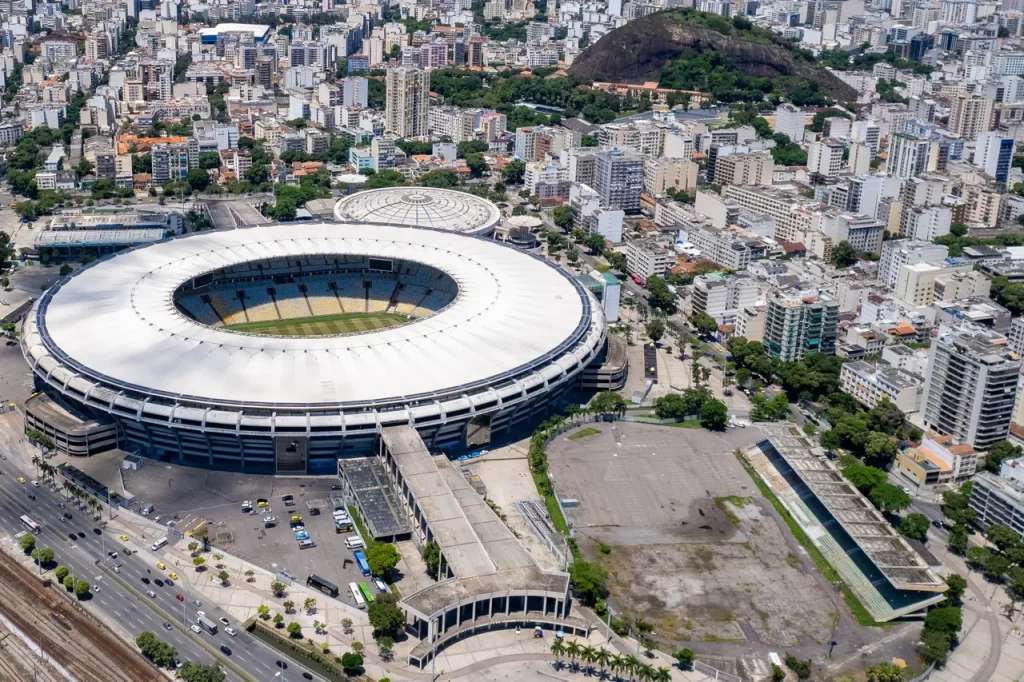
Brasile, lo Stato di Rio mette in vendita il Maracanà per fare cassa
Staying on the financial side: how important is player trading for the club’s budget?
A. «26.4% of revenue comes from player sales — the main line. Then come sponsors at 26%, TV rights at 25%, and matchday at 12%. Since I arrived, we have sold players for €80.5 million and bought for €48 million. The market is a fundamental part of the model. In 2025, Flamengo’s revenue will be around €350 million, while the budget for just the football team — salaries, travel, everything — is €150 million. It doesn’t even reach half of total revenue».
A major revenue item for 2025 is the new Club World Cup, which Flamengo played last summer. What do you think of the tournament?
A. «If it depended on South America, I think it would be played every year. Fans are always curious to understand the level of their teams compared to European ones. But since Europe dominates football, I don’t think it will happen every year, because for clubs it’s not an ideal date. So they will push to play it every two, three, or four years. For us, facing teams like Chelsea or Bayern was extraordinary, but for Europe it’s not that simple».
Where can Brazilian football still grow?
A. «Organisationally. For Europeans it’s hard to follow the league because games are played very late. But the tournament is competitive, stadiums are always full, and it’s a good product that can be sold well. It’s difficult in countries with money, like the USA and Canada, who, despite the time-zone advantage, don’t have much passion for football. Where we can sell our product well is in Europe, but we need to adjust kickoff times. The Fla-Flu derby was played at midnight Italian time. If it were played at the same kickoff as the Libertadores final, it would be 10 p.m. in Italy — everyone could watch. The ‘product to sell’ mindset isn’t fully there yet, but clubs are starting to understand it».
Do you think Brazilian clubs will ever be able to retain top talents?
A. «Flamengo could afford it even today, financially — and I think Palmeiras too. But the real issue in South America isn’t money: it’s the player’s ambition and that of his family. If you say no, you risk losing him mentally. With Wesley, for example, with Roma we set a price — €25 million — and said nothing would happen below that, because we didn’t need to sell him financially. But that’s our situation; many others are still forced to sell players».